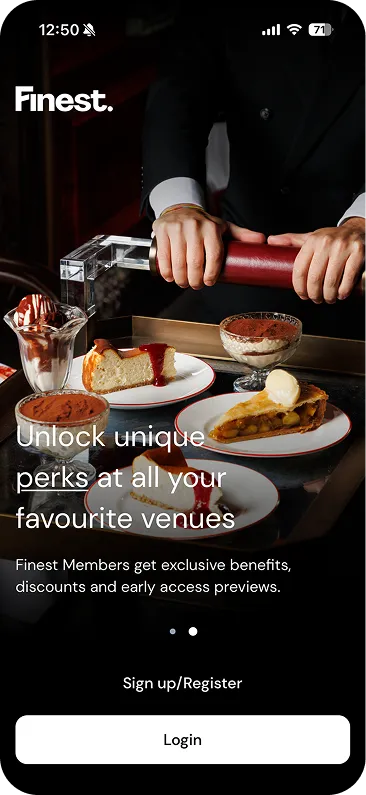
Designing the proposition and product that turned Finest readers into subscribers
Testing whether people would pay before building anything. 2000 paid, giving us the confidence we needed to invest in an app.
The business
I co-founded Manchester’s Finest in 2010 and grew it from two people to a team of eighteen. It is an independent lifestyle and media platform: we find the best independent places in the city, shoot them, write them up, and push the content across web and social.
I'm Product and Technology Director, responsible for design, product, front and back-end infrastructure.
My role
- Understanding commercial viability.
- Product strategy, and scope (alongside our app partner).
- End to end product design.
- Front-end build and infrastructure for data integrations.
The problem
The Finest business model works, but it's very manual and hard to scale. Every pound of revenue is attached to a piece of content somebody has to go out and make. Finest needs passive income streams in order for us to do more of what we originally founded the business for: To promote new businesses and organisations that don't necessarily have huge budgets.
We have a following of 2M across all platforms with Instagram making up 500,000. We've also built the trust with our readers based on the strength of our recommendations and content ethics. Our audience is an asset and a place we can test new ideas.
We wanted to know, if we offer a subscription model that gives people real value for using the businesses in the city and solves some of the core user needs we've often heard, will they pay us a small monthly fee?
Constraints
- We're a small business, an app is a risk, we needed to create a valuable first iteration.
- People in the business are very busy, this would be extra work alongside the day to day running of the business.
- The redemption journey needs to be simple, not linked to point of sale system, but we need to be able to measure it
- We didn't want to duplicate data in the app, it must flow from our central database.
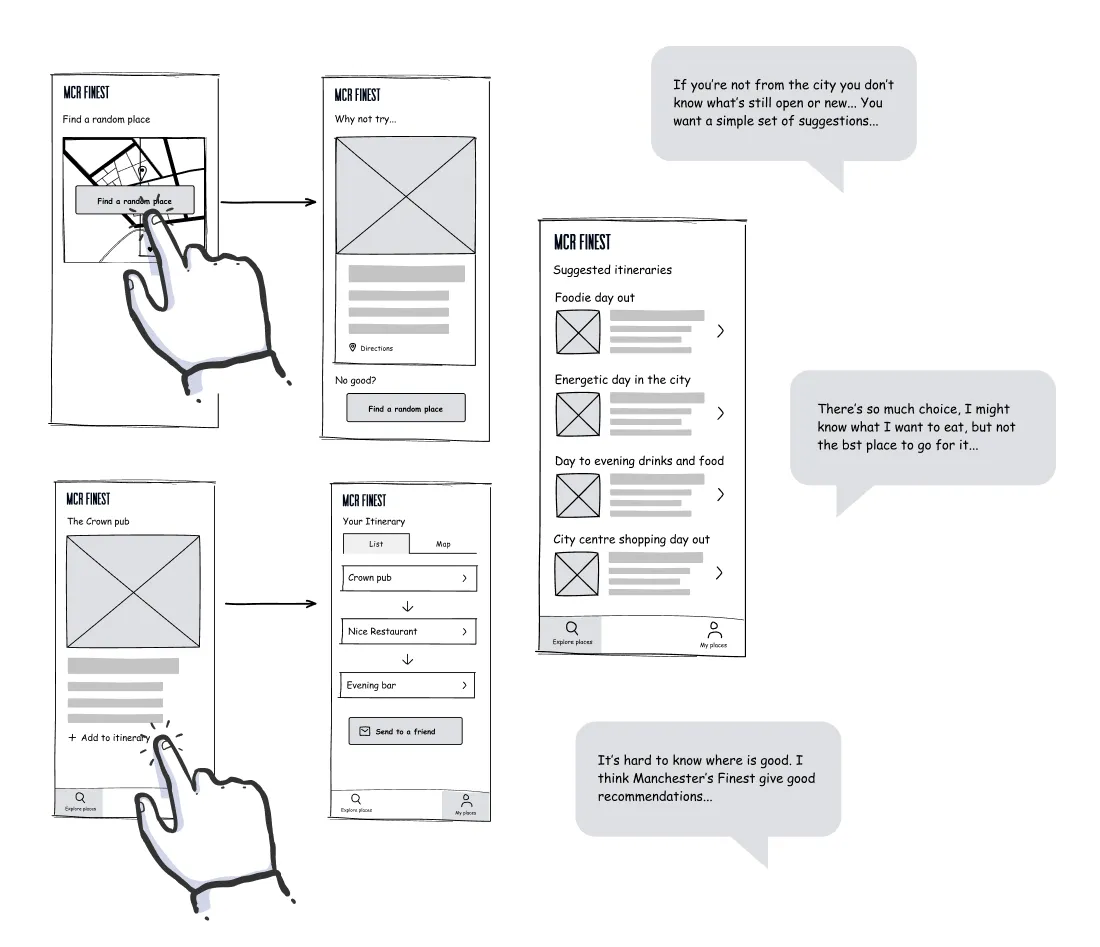
How we tested the proposition
Running the payment test on Instagram before building anything
We could've just built the app, but that's a big investment for something unproven and we wanted to see if people would subscribe and continue to test the stickiness of the perk redemption behaviour.
Instagram had just launched its subscriber model for creators. It was not our product: digital content, not a perk you redeem in a venue. But it was a good test bed, despite the user journey to redeem a perk not being ideal for users.
That's the bet we ran with, it cost content effort and time, but no build.
Over 2000 people paid.
Deciding how many people is enough to go ahead
2000 subscribers isn't a bad number to recoup what we spent on the app. Ultimately this will form the beginning of a new relationship with our audience and be a better acquisition tool.
It wasn't about maximising conversion. There was no optimised funnel and no campaign spend. It was a small test to see if we should carry on.
At this point we decided to move forward to build up the core features for the first app version.
What we got wrong, and how we changed course
On the ground issues and the validity of the test
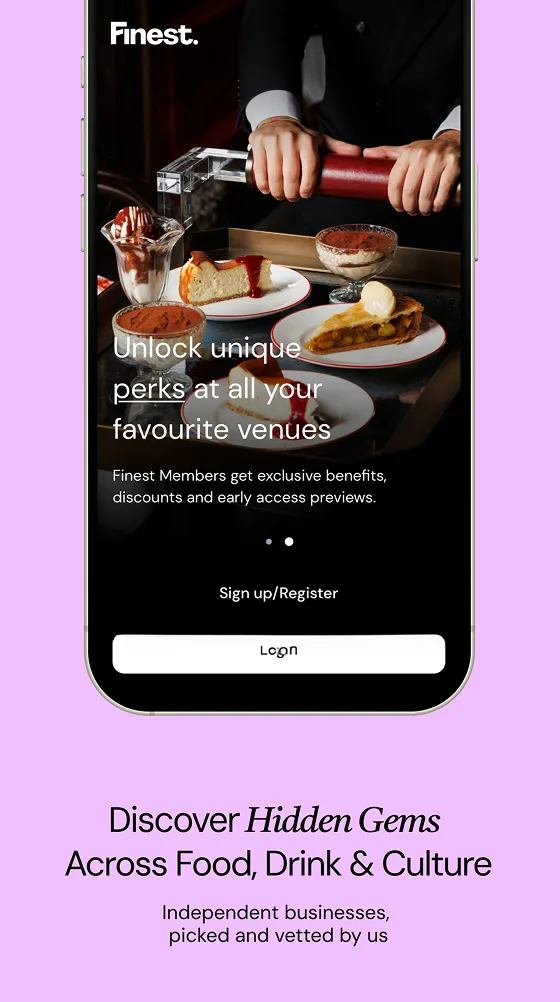
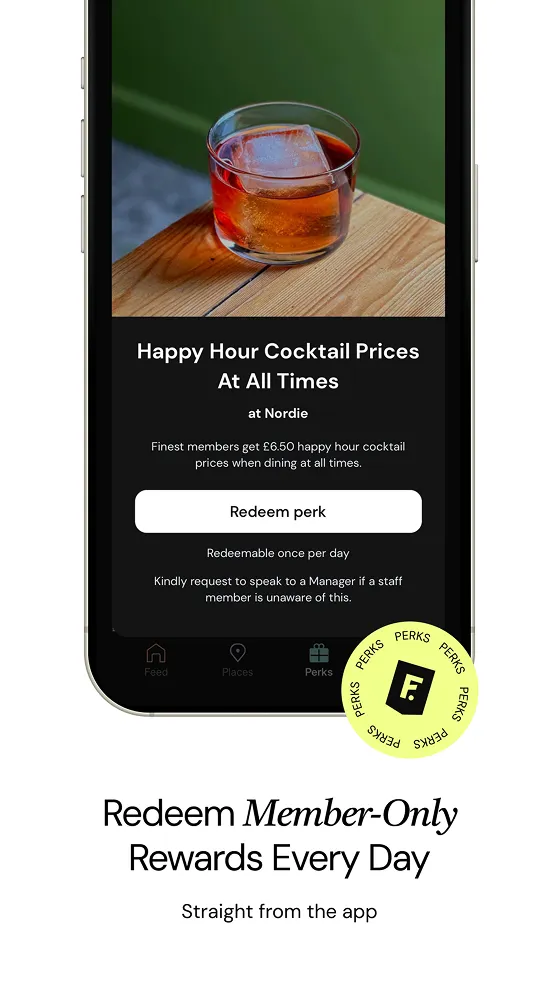
Perk redemption doesn't work well through Instagram and is easy to fake with a screenshot. The app addresses this by simply using an animation. It's not linked to any point of sale systems, so we simply track when someone taps the redeem button, not perfect, but good enough.
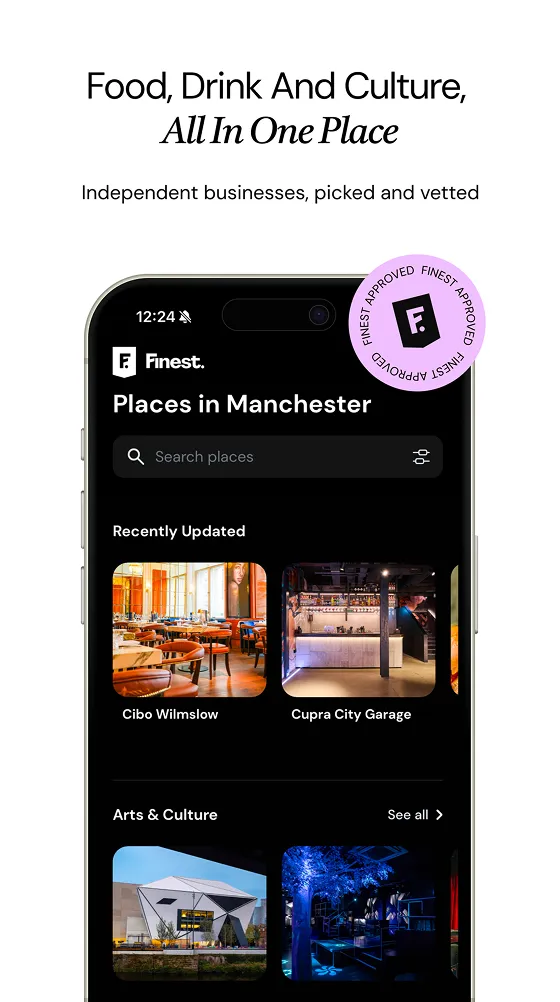
2000 people paid for Manchester’s Finest content and perks, on a platform they were already on, with one tap. Getting our app built into people's habits will be something we've been tackling with user insight and will be validated as we move the app into a beta phase with a limited number of users.
What I took from it
I had a ready made platform to test subscriber appetite, but this model gave us little more than anecdotal data on whether people were regularly redeeming perks. The first version of the app has only been validated on a small scale, more on what people tell us, rather than what they will actually do. Data and quick feedback loops will be key to ensuring the app is something people continue to use.
Outcomes
- Over 2000 paid subscribers, enough to justify the bet.
- We built the app on evidence, that's a £25K spend with less risk attached to it.
- Passive income for the business that is less effort than the day to day business model.
- 50 perks ready to go live, more coming.
- App in alpha, about to be tested with a closed group.